Transitions in Early Childhood: Supporting Children From Here to There

I recently found myself looking for a simple link or something I could share with teachers I’m working with that clearly and practically explained transitions in early childhood classrooms. I wanted something that went beyond “try a song” or “use a timer” and instead helped educators and parents really understand why transitions matter and how many possibilities exist for supporting them well.

I went down a bit of a rabbit hole.

What I discovered was surprising: while there are many good ideas scattered across blogs, trainings, and social media posts, there wasn’t one resource that truly captured the whole picture—one that honored children’s development, supported teachers’ daily realities, and acknowledged that transitions are not just logistical moments, but regulatory and relational ones.

So, instead of sending a link, I decided to create what I couldn’t find. While this was written with teachers in mind, there are some helpful strategies parents can use as well.

Why Transitions Matter So Much in Early Childhood?

Transitions are the moments between activities—the shift from centers to circle, from play to clean-up, from movement to listening or at home from getting ready out the door to school or from playtime to bath time. These moments are often where we see the most dysregulation, resistance, or chaos—not because children are “misbehaving,” but because transitions require:

  • Letting go of something engaging

  • Anticipating what comes next

  • Regulating the body and emotions

  • Coordinating with others

That’s a lot to ask of a developing nervous system.

When transitions are unsupported, they can become stressful for both children and adults. When they are thoughtfully designed, they can become some of the most powerful moments of learning, regulation, and connection in the day.

Transitions can offer a Mini Brain Smart Reset

When transitions are thoughtfully designed, they can serve as a mini Brain Smart Reset—a brief but powerful opportunity to help children return to a state of safety, connection, and readiness to learn.

For young children, transitions often follow moments of high engagement, excitement, frustration, or fatigue. A well-supported transition helps the nervous system pause, reorganize, and reset. Rather than rushing children from one expectation to the next, we can use transitions to intentionally offer:

Calm
Through steady beat, breathing cues, predictable songs, and body-based supports, transitions can help slow the body and regulate arousal. Music, movement, and sensory input gently guide children back toward balance.

Clarity
Clear, consistent cues like visual timers, familiar scripts, countdowns, first/then language, and clear visual supports—reduce uncertainty. When children know what is happening and what comes next, their brains don’t have to work as hard to stay alert or defensive.

Predictability
Repeated transition routines build trust. When the same song, chant, or cue is used day after day, children begin to anticipate the shift. That anticipation supports self-regulation and reduces resistance.

At the same time, transitions offer powerful moments of connection.

Calling children by name, offering encouragement, assigning helper roles (jobs for everyone), or providing individualized supports communicates: I see you. You belong here. I will help you succeed. These small relational moments strengthen felt safety and invite cooperation without pressure.

Seen through this lens, transitions are no longer just about moving children from one activity to another. They become intentional pauses—mini resets—that support emotional regulation, strengthen relationships, and prepare children’s brains and bodies for what comes next.

The Core Components of Effective Transitions

Rather than relying on one strategy, strong transitions layer multiple supports. Below are key components to consider when designing or strengthening transitions in a PreK classroom.

1. Auditory Attention Getters

Helping children orient, focus, and pause through sound

Sound is often the first cue that tells the brain, “Something is changing.” Effective auditory supports include:

  • Timers with an auditory signal (paired with a visual)

  • Sound cues such as chimes, bells, rain sticks, or drums

  • Call-and-response chants that invite participation

  • Voice changes—singing, whispering, slowing down, changing pitch or tone

When we talk continuously in the same speaking voice, children eventually tune us out (the classic “Charlie Brown’s teacher” effect). Intentional voice changes or sound cues cut through the noise and reset attention—without adding more words.

2. Musical & Rhythmic Supports

Using tempo and beat to organize bodies and brains

Music is one of the most powerful tools we have for transitions because it naturally engages the whole brain and body. Musical supports might include:

  • Transition songs for clean-up, lining up, bathroom routines, or handwashing

  • Chants with a steady beat

  • Movement songs that guide children from one space to another

  • Instrument cues (e.g., drum means move, bell means freeze)

The steady beat in music helps regulate breathing and movement, supports anticipation, and creates predictability. Songs with clear beginnings and endings can even act as timers, helping children know how long a transition will last.

3. Verbal Structure & Predictable Language

Reducing uncertainty through clarity

Predictable language helps children feel safe during change. Helpful verbal structures include:

  • Countdowns (e.g., “I wonder if we can all find our spots before I count down from five…”)

  • First/Then language, often paired with visuals

  • Previewing what’s next (“In five minutes, it will be time to clean up.” Again paired with a visual)

  • Consistent scripts, chants, or phrases used the same way each day

While research isn’t exact on timing, a common guideline is about one minute of warning per year of age— plus 1 if they’re really engaged, so, around five minutes for a typical PreK classroom, less for toddlers. The key is consistency and pairing language with visual cues whenever possible.

4. Visual & Environmental Supports

Making the structure of the day visible

Young children benefit enormously from seeing what is happening and what comes next. Visual supports include:

  • Visual timers (sand timers or color-disappearing timers rather than number countdowns)

  • Picture schedules that are actively referenced throughout the day

  • Defined transition spaces (floor dots, footprints, carpet squares, labeled spots)

  • Environmental cues like lighting changes or specific props that signal transitions

Even if the schedule is the same every day, children still need to see it to fully experience predictability.

5. Body-Based (Kinesthetic) Supports

Engaging the body to support regulation

Transitions often fail when we expect children to shift their bodies without support. Kinesthetic strategies include:

  • Whole-body cues (hands on head, knees, floor, etc.)

  • Breathing cues paired with movement

  • Stretching, yoga poses, or grounding gestures

These strategies help bring children’s bodies into the transition, rather than asking them to leave their bodies behind.

6. Relationship-Based & Playful Supports

Inviting cooperation through connection

Connection is a powerful motivator. Relationship-based transition supports include:

  • I Love You Ritual–style cues

  • Name-based invitations (“When you hear your name, walk like a bear to line up”

  • Imagination and playful narratives (sticky floors, quiet hunts, animal walks)

  • Helper roles (jobs: line leader, door holder, “quality inspector” for clean-up)

When transitions feel playful and relational, they feel less like demands and more like invitations.

A Whole-Brain, Whole-Body Lens

As you reflect on the transitions already happening in your classroom, consider these questions:

  • Does this transition support Multi-sensory engagement?  Can they See, hear, and feel it?

  • Does it engage both the brain and the body?

  • Is it predictable and consistent?

  • Does it invite connection, or does it simply expect compliance?

Music, in particular, shines here. Research shows that music helps the brain anticipate events and sustain attention over time—exactly what transitions require. When we move, sing, or keep a beat together, our bodies begin to sync. Stress decreases, calm increases, and social connection is strengthened.

Moving Forward

You don’t need all of these strategies. In fact, too many can be confusing or overwhelming.

Instead:

  • Choose one or two call-and-response cue to start with.

  • Identify key transitions that happen every day and make them consistent with a specific activity, song, or chant.

  • Teach the tools before you rely on them

  • Rotate or refresh strategies when they lose their effectiveness

Transitions are not interruptions to learning—they are learning. When we support them thoughtfully, we help children build regulation, flexibility, trust, and confidence that will serve them far beyond the classroom and early childhood in general.

Wishing you well as you create predictability, ease, and connection for the children in your care.
Parent Ponderings with Miss Beth - “Ready, Set… Wait!” Why Mastery Matters

Why can’t my very bright and advanced kiddo move to the next level early?

Did you know that it’s essential for a child’s social and emotional development to spend time “sitting in mastery” before moving on? When a child reaches mastery, they can simply enjoy, explore, and celebrate what they know—and that sense of confidence releases the brain’s natural “happy chemicals” like dopamine and serotonin.

Think about it like this: when your child has developed mastery and things begin to feel easy, they’re making deposits into their internal emotional bank account—deposits they’ll draw from when challenges arise later. Without these deposits, children “overdraft” that account, which can increase stress, anxiety, and struggles with self-esteem, and even affect sleep, eating, and focus as they grow.

Often, just 6–8 more weeks in a familiar, comfortable level can make a big difference! At the same time, there’s a delicate balance. If we leave a child in a stage of mastery for too long, boredom and disengagement can creep in. The goal isn’t to hold them back—it’s to give them the sweet spot where confidence and curiosity meet. When we move forward from mastery rather than frustration or pressure, children enter the next stage eager, joyful, and ready to learn.

At Kindermusik, we’re thinking about your child’s whole journey, not just the next step. When we move up too soon, it can start a snowball effect—where we feel constant pressure to keep advancing before children are developmentally ready. While your child may be advanced in certain areas, most children have other areas (often social and emotional) that are developing right on schedule—and those areas need time to catch up.

In a world that often prioritizes speed and achievement, it’s powerful to remember that children thrive when we slow down, allow space for play, and celebrate the joy of “being ready.” Encouraging a growth mindset, prioritizing connection over comparison, and allowing unstructured time are all vital in helping children develop confidence, resilience, and emotional balance.

By giving children time to grow at their own pace, we nurture not just their skills—but their sense of self, curiosity, and joy in learning. 🌟

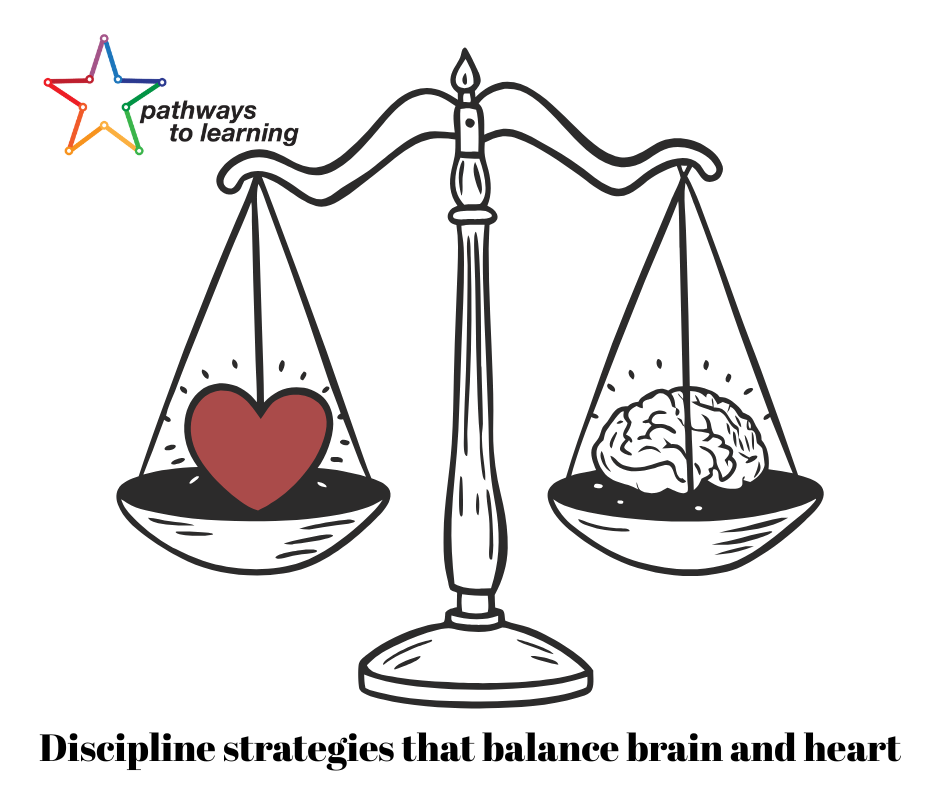
Parenting with Both Brain and Heart: Why Warmth + Structure Matter


Parenting today can feel overwhelming. We want our children to be happy, confident, and resilient—but what’s the best way to get there? A recent Harvard study on parental warmth offers valuable insight: children who experienced warm, supportive relationships with their parents were more likely to flourish in adulthood.


According to the study, children who felt more warmth:

  • Built stronger, healthier relationships

  • Showed greater emotional well-being

  • Maintained higher self-acceptance throughout life

These findings confirm what many experts in child development have long believed: how we connect with our children now shapes who they become later.

Warmth Isn’t Enough on Its Own and Doesn’t Mean “Anything Goes”

Warmth and love are essential, but children also need guidance, consistency, and limits. Research consistently shows that the best child development outcomes happen when warmth is balanced with structure.

Think of it this way:

  • Brain 🧠 brings the calm, consistent routines and boundaries that help children learn responsibility and self-control.

  • Heart 💜 brings the love, empathy, encouragement and presence that children need to feel safe and valued.

When parents bring both, children feel safe and connected, and learn the skills they need for lifelong success. This is what we call parenting with both brain and heart.

How our Kindermusik classes and Conscious Discipline® Parent Learning Build Connection

Parenting isn’t about perfection—it’s about presence. But in stressful moments, it can be hard to stay calm and connected. That’s where tools like parenting courses based on Conscious Discipline® and Kindermusik® classes make a difference.

  • 👩‍👧 Parenting courses with Conscious Discipline® provide a clear framework for staying calm, setting healthy boundaries, and disciplining by teaching missing skills and meeting needs rather than a punishment. Conscious Discipline® helps parents shift from reacting in the moment to responding with intention—using both their brain (structure) and heart (connection).

  • 🎶 Kindermusik® classes create joyful, structured experiences that nurture parent-child bonds. Through music and movement, families practice listening, turn-taking, and self-regulation—all while building a foundation of love and connection.

Together, Conscious Discipline® and Kindermusik® empower parents to feel calm, connected, and confident, even when challenges arise.

The Greatest Gift You Can Give Your Child

At the end of the day, the most powerful tool you have as a parent isn’t a discipline strategy—it’s your relationship with your child. The greatest gift you can give is YOU:

  • Your presence

  • Your love

  • Your consistent guidance

  • Your life lessons shared with patience

By parenting with both brain and heart, you are offering your child the very best of both worlds: warmth that nurtures the spirit, and structure that shapes the path toward lifelong well-being.

✨ Interested in learning more? Explore our Kindermusik® classes or join a Conscious Discipline® parenting workshop to discover how you can strengthen your connection with your child while building the tools to guide them with both love and structure.


The Toddler Tug-of-War: Balancing Independence and Clinginess in Kindermusik

We’ve all had that moment in Kindermusik.  We’re all sitting down in class and your toddler is anywhere but near you but we stand up to dance and all they want is to be held.  The flip flop between independence and dependence can be immensely frustrating.  Why is it like this?  Why can’t the dependence/ independence be on our terms?  Here are some of the possibilities to explain the behavior. Some times just understanding why can help us manage our frustration and be better prepared to help our kiddos manage when the world isn’t going their way.  Read on at the end and I’ll provide some strategies that can help when you just can’t pick them up one more time.

  • Individuation Separation – Toddlers are just beginning to realize that they are a person in and of themselves separate from their caregiving adults.  As they figure this out it can be confusing because all they’ve known is what it felt to be “one” with their caregiving people and there uncertain what this individuality means. This process continues until around age 3 although this 1-2 span is the most intense.  If you think about it, you’re probably going through something similar.  We want them to grow and develop and learn new skills and at the same time we want to hold onto each stage and keep them little.  It really mirrors what’s happening for them.

  • Separation Anxiety – Around 12-24 months, many toddlers experience separation anxiety and seek closeness to their caregivers. When you stand up to dance, it might activate their concern. They might fear you will leave and holding onto you (or demanding to be held) is one way they can keep track of you and make sure you don’t leave.

  • Developmental Leap – When toddlers are learning new skills (like walking or talking), they may seek more comfort because they feel a little unsettled.

  • Overstimulation – Loud noises, big crowds, or too much activity can overwhelm a toddler, making them seek the comfort of a familiar caregiver.  Although we do everything we can to manage the stimulation of the environment in each Kindermusik class, it can feel overwhelming when everyone stands to dance.  Being close to you provides security and comfort.

  • Love & Bonding – Sometimes, they just want to be close to their favorite person! Physical closeness strengthens the caregiver-child bond.

So, what to do?  Well if you’re okay with holding your kiddo while you dance, go ahead and do it.  They’re getting a need met and feeling the movement in your arms.  If you want to reassure them you’re staying put and want to encourage more independent movement you can stay on the floor or kneel (if that’s comfortable) and dance from your seat.  Depending on the dance you might opt to do a portion of the dance with them up in arms and a portion with them dancing on their own.  In Level 1 this week we’re moving to Hop to It!  There are two distinct sections – hopping – and dancing.  Decide which one you will do together and which they will do on their own. Enthusiastically tell your kiddo, “I’m going to hold your hands while you jump and then carry you for the dance.“  Play with it at home where your child feels most comfortable. Play the music from the app and dance along. The practice of dancing at home will give them some comfort when the activity comes up in class.

Finally if you just can’t hold onto your toddler and dance for whatever reason (injury, pregnancy, fatigue, just don’t want to), find a spot in the classroom and snuggle up while you observe the class dance.  They may choose to stay close to you and cuddle up or decide that it’s okay to dance independently while you stand. Regardless of their response, your little one will benefit from knowing you will meet their need for comfort and closeness no matter what and they will benefit from watching the movement too.   

Please also know you can ask your teacher to help anytime, we love to take a spin around the floor with one of our little friends.

As with all things, this too shall pass and if you’re anything like the rest of us there will come a time when you fondly remember your clingy little one and how you used to dance together at Kindermusik.

XOXO Miss Beth

Celebrate Connections this Valentine’s Day and beyond with Conscious Discipline® & I Love You Rituals™

As Valentine’s Day approaches, it’s a great time to introduce you to I Love You Rituals (tm), a meaningful practice created by Dr. Becky Bailey, founder of Conscious Discipline®. Conscious Discipline is evidence-based, rooted in neuroscience, and child development research. It fosters self-regulation and creates a safe, connected environment for both children and adults, promoting emotional well-being and tools for problem solving.

I Love You Rituals harness the power of connection through The Four Elements of Connection which are essential to maximize the benefits and quality of the interaction.

EYE CONTACT

Eye contact enhances attention, social development, and emotional well-being by fostering connectedness in relationships.

TOUCH

Gentle, nurturing touch releases the nerve growth factor, a hormone crucial for neural function and learning.

PRESENCE

Being fully present creates high-quality interactions and secure attachments between you and your child and allows adults to better respond and attune to children throughout the interaction.

PLAYFULNESS

Playfulness shifts the focus to shared joy, valuing each other, and strengthening your bond.

How to Get Started

The Conscious Discipline website provides a variety of songs, poems, and chants specifically designed for I Love You Rituals. However, you can also create your own using poems, songs, games, and fingerplays! For those of you who attend Kindermusik classes EVERY class has at least 1 activity that works as an I Love You Ritual (ask your teacher). The goal is to connect with your child, so embrace playfulness, make funny voices, sing, and be yourself. We’ve provided two favorites from Conscious Discipline.

I Love You Rituals focus on fostering connection between children and caregiving adults, an essential foundation for all learning and development. I Love You Rituals positively influence growth and development in several ways:

Improved Attention Skills

The rituals enhance focus and attention by engaging children in meaningful and joyful interactions, activating the dopamine system, which is critical for learning and concentration.

Strengthened Neural Pathways

Through repetitive, positive interactions, the rituals support brain development, particularly in areas responsible for emotional regulation and social-emotional skills.

Reduced Power Struggles

The rituals create a foundation of trust and connection, fostering cooperation and reducing power struggles.

Increased Emotional Regulation

The safe and nurturing environment of I Love You Rituals helps children develop self-regulation skills, which are essential for managing emotions effectively.

Enhanced Social and Emotional Development

Through eye contact, touch, presence, and playfulness, children learn to build and maintain strong, healthy relationships with others.

Promotion of Unconditional Love and Security

These rituals provide children with a deep sense of love and safety, fostering secure attachments that are critical for emotional and psychological well-being.

Encouraged Care and Cooperation

By modeling empathy, respect, and kindness, I Love You Rituals teach children to express care and cooperate with others.

Boosted Joy and Connection

The playful and interactive nature of the rituals promotes shared joy, strengthening the parent-child bond and contributing to a positive family dynamic.

Decreased Stress

For both children and caregivers, the rituals can lower stress by releasing calming hormones like oxytocin, enhancing overall tranquility.

Foundation for Lifelong Learning

By fostering a sense of connection and emotional safety, the rituals lay the groundwork for a child’s lifelong ability to engage in and benefit from learning experiences

Tips for Success:

  • Incorporate them into your daily routine— after waking, when saying goodbye, when saying hello after school or work, and before bedtime are times many caregivers use I Love you Rituals

  • Be consistent, as repetition and predictability help to deepen the sense of connection and joy.

  • Watch this video from our friends at Conscious Discipline

  • Learn more about Conscious Discipline by visiting the website and exploring Shubert’s Home at https://consciousdiscipline.com/memberships/free-resources/shuberts-home/

Click this image to visit Shuberts Home on the Conscious Discipline website.